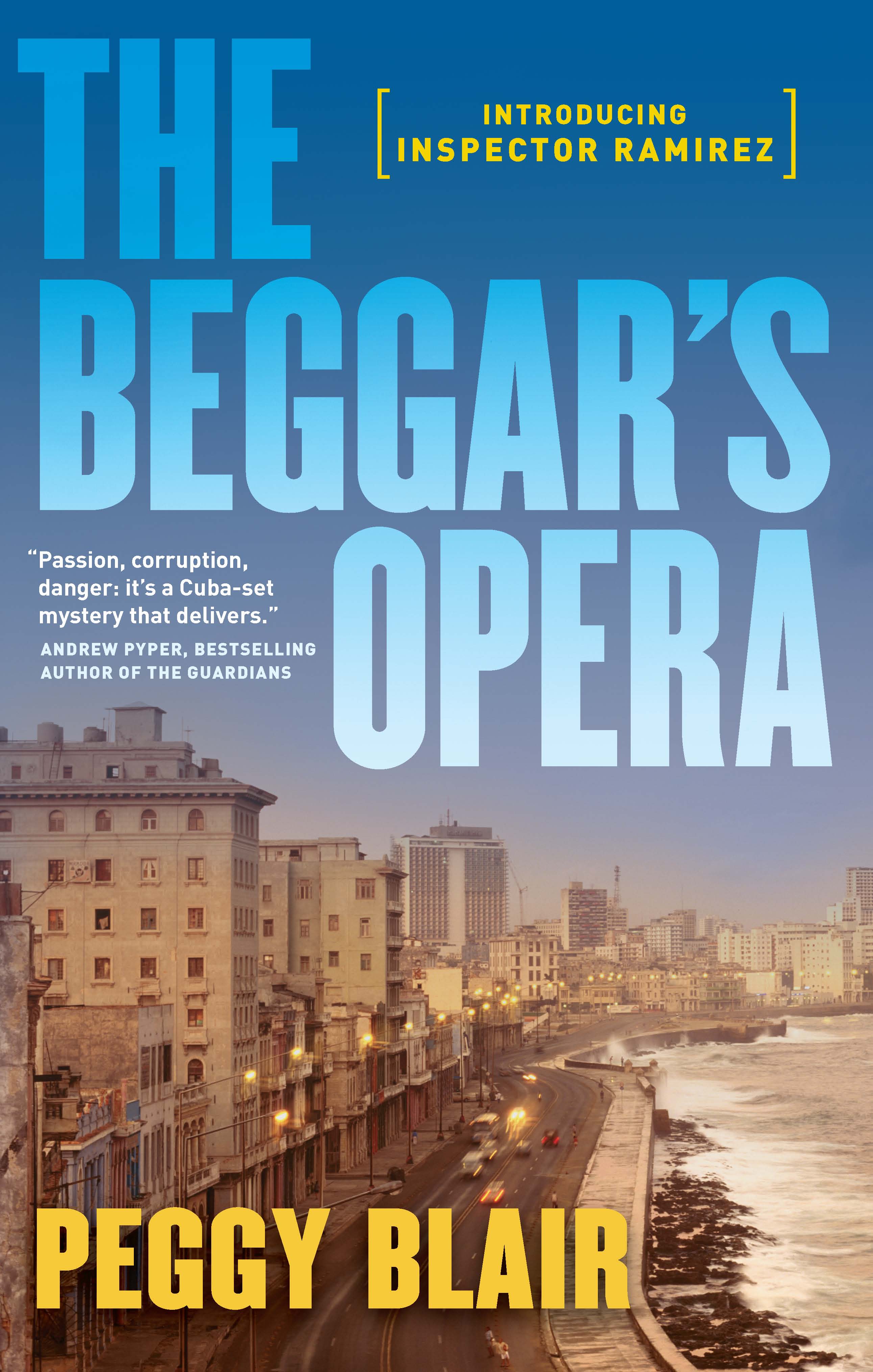
Midnight in Havana!

Only two weeks until Midnight in Havana (aka The Beggar’s Opera) launches in the UK! So thrilled to be working with the folks at Polygon and Birlinn Books – it’s exciting!

MIDNIGHTINHAVANA

Posted in Getting Published | Tagged , , | Leave a comment

My TV interview with author Mary Jane Maffini!

UPDATE: Oops. Looks like we’ve been bumped by a soccer game. Show will air on Sunday. Sorry!

Mary Jane Maffini, co-author of the wickedly funny The Christie Curse will be my Rogers TV show guest tonight at 7:30 PM talking about what it’s like to write a book with a family member, winning the Arthur Ellis, therapy dogs and having all kinds of fun! Cable 22: check the Rogers online schedule for repeats.  Name of the show? Same as the blog: Getting Published. Enjoy!

Posted in Rogers TV show | Tagged , , , | Leave a comment

If you want accuracy, don’t read fiction.

One of the reader reviews of The Poisoned Pawn that popped up on Goodreads last week was really critical of my portrayal of Aboriginal people. The reader said that they were  stereotyped and cliched and that he’d worked with “our natives” and they weren’t all angels.

There are two Ojibway people in The Poisoned Pawn. Charlie Pike is likeable, but far from angelic. He’s a former alcoholic with a youth criminal record for breaking-and-entering. An Aboriginal detective is not exactly a stereotype; there are only a handful of them across  Canada. And as for the homeless man in the alley that Pike befriends, I would not describe a character who admits he abused his wives or beat a man to death as an “angel.” Both characters rang true to me, however, and I spent most of my thirty year career as a lawyer working with and for First Nations in treaty litigation, negotiations, and later, in the Indian residential schools process.

But it was the reference to “our natives” that I noticed, coming as it did from someone alleging stereotypes. It’s a vestige of colonialism, and one that always  made my First Nation friends and colleagues cringe whenever they heard it. (I can’t imagine an Aboriginal person talking about “our Canadians,” to put it in perspective. It’s one of those words that carries a loaded message, and it isn’t one of equality. ) 

But setting that aside, what the review pointed out to me is something I’ve discovered as a result of this journey through publication: when a book doesn’t accord with the reader’s  subjective interpretation of facts, they don’t like it.

This struck me in  another Goodreads review, when a reader took issue with my description of the Cuban  characters as getting only two chickens a year under their rations. In 2006, when we were there, even the tourist menus didn’t have chicken on them because of shortages. Cubans had a monthly quota of four ounces of meat on their libretas. So I wasn’t quite sure what the reader was getting at, but obviously he or she had a different recollection of that time period than I do.

I had another reader email me last week to “quibble” with my description of Cuba, pointing out that when he was there in the 1980s, American money wasn’t illegal, as it is in The Beggar’s Opera and he used it without any problems. I emailed him back to say, yes, that was probably the case back then, but it was taken out of circulation in 2002 by government regulation. (I suppose technically, it wasn’t “illegal” in the sense that you would be arrested for having it– but you weren’t legally allowed to spend it and if you had some and wanted to exchange it, you faced a very heavy premium. Anyway, I sent him an article I’d used in my research on that point and he seemed satisfied.)

What surprised me about these comments was the extent to which readers took issue with  “facts” presented in a piece of fiction. 

But we’re not writing textbooks; we’re telling stories.

As authors, we try to create worlds that are believable. We want to suck the reader into believing that the imaginary characters we’ve created are real; that the lives they live take place in some alternate universe. To do that, when we need to, we make things up. I fictionalized places in Havana; I moved timelines, when the plot called for it, I exaggerated certain facts, too–I don’t know an author that doesn’t.

Like television, reading is supposed to be entertainment. And yet readers seem to hold us to a higher standard. Does anyone know why this might be?

Most television shows that are not documentaries (and even some that are) exaggerate facts. For example, I have yet to see a television show that accurately portrays the timelines involved in a legal action, whether criminal or civil.  Criminal trials are held hours after an arrest, when it can actually take months or even years to get to court. I would guess that doctors watching shows like ER roll their eyes at the liberties taken with their profession, too. 

But the vast majority of viewers go with the flow and allow themselves to be entertained. They know the difference between entertainment and fact. (Except when it comes to CSI, apparently: I’ve heard that jurors now expect the criminologists who testify in real life to have the same access to cutting edge technology as they see on the show.)

In the same way that television shows are fictional and meant as entertainment, so are novels.  As Will Ferguson said to me in our  interview on my new TV show about authors, he doesn’t worry about the facts being right in his novels the way he does when he’s writing a travel article– all he can do is his best.

Novels are  by definition works of fiction. They are the products of  imagination, hopefully rooted in sufficient fact to allow the reader to suspend disbelief. When the reader expects the author to be an expert in every single subject touched on in their stories (or at least an expert in whatever topic the reader feels they know more about than the author, rightly or wrongly),  I think they both end up disappointed.

Posted in Writing | Tagged , , , | 6 Comments

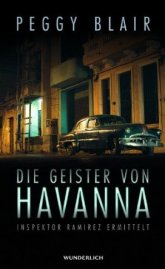
German version of The Beggar’s Opera!

Love this!

Posted in Foreign Rights | 2 Comments

Why I’ve been out of commission….

As most of you know, I usually put up  a new blog post every day or two, but I’ve been  “missing in action” lately. The reason? I had cauterization surgery on my right eye last week for a medical problem, and the recovery has been slower  (and more painful) than I’d expected.

I’d forgotten how being in discomfort can dominate your life, to the point where you don’t feel much like doing anything. I saw the surgeon yesterday and told him I was surprised at how much pain I was in. He reminded me I’d just had an operation, so I suppose my expectations of sailing through all of this quickly were perhaps a little high.

And of course, I’ve looked like devil’s spawn, even to myself. (A neighbour loaned me a pirate-style patch, but it was very uncomfortable. How does Johnny Depp do it?)

 I managed to get myself out the door a few times for necessities, but really, I’ve spent most of the past week feeling sorry for myself, hiding out at home, and sleeping as much as possible.  The nice thing is that I work in such a great office: these gorgeous flowers were delivered this week with a note from my fellow realtors saying they hoped I’d be back at work soon. A lovely boost to morale!

IMG_0671


Here’s hoping I’ll see them soon! I should be back to my usual blogging schedule in the next couple of weeks, and I have lots of news, so stay tuned!

Posted in Blogging | 8 Comments

First UK Review of TBO (as Midnight in Havana)!

Wow, this is a great review in the UK’s BookBag of Midnight in Havana. The renamed novel (you’ll know it in Canada and the US as The Beggar’s Opera) will be released in July by Polygon, the publisher of Alexander McCall Smith’s wonderful  books. Here are some  highlights– you can read the entire review here:

______________________

Midnight in Havana is the debut novel by Peggy Blair and presents us with a compelling mystery set within an exciting setting with a legal system that really adds to the suspense of the story.

Peggy Blair’s debut has already been released in North America under the title of The Beggars Opera with Midnight in Havana being the title for the UK release of the book. It garnered great acclaim on its release across the pond and it is easy to see why. It’s the first Inspector Ramirez mystery and it is a very promising introduction to the character and his world. It starts with great pace with the fact that under Cuban law Inspector Ramirez has just seventy-two hours to submit his case against Detective Ellis to keep a child killer off the streets. The opening chapters just fly by; I was totally engrossed in the characters and the mystery itself – and Havana.

The plot is great with a vicious crime to be solved that’s not all it seems. The introduction of a Canadian lawyer to the story turns most of what has happened on its head and the mystery becomes even more complex and interesting. There are countless twists and turns and although sometimes slightly predictable they all work and towards the end of the book I was left trusting very little of what I believed was true, for there might always be another twist.

…..

Midnight in Havana had me hooked from very early on and wouldn’t let go until I reached the end and even then I just wanted more. There’s a new inspector in crime fiction and although he’s not yet at the Rebus level this book shows that he has a lot to offer. The second Inspector Ramirez mystery has already been released in Canada so hopefully it shouldn’t be too long before I can enjoy another Cuban thrill ride. I would very highly recommend this book and I will be making family and friends read it as soon as possible.

Posted in Book Reviews | Tagged , , , | 2 Comments

My interview with CB (Chris) Forrest

My interview with CB (Chris) Forrest will air on Rogers TV (Cable 22, Ottawa) on Wednesday at 7:30 PM. Spoiler: I met Chris last year when we were on an author’s panel at Books on Beechwood, and he’s rapidly become a pal.

He writes beautifully crafted crime novels — literary novels that are police procedurals but are at their heart, noirs– and the three I’ve read in his Charlie McKelvey series reminded me very much of Ian Rankin’s work. Chris’s cop is a Canadian Rebus: struggling to get relationships right (and failing) but always committed to finding the truth. I love Chris’s writing: it’s evocative, word-perfect and carefully crafted. There are phrases so beautiful and thought-provoking they make me gasp: the only other author who has that effect on me is James Lee Burke.

Tune in on Wednesday to catch our discussion about fate, connections, persistence, and getting published and get ready for a brilliant segment in which Chris tells me how he breaks through writer’s block. (It involves a ukelele.) There will be replays later this week and this fall as well: check the Rogers TV schedule for details.

Posted in Rogers TV show | Tagged , , , , | Leave a comment

Rogers TV show!

I won’t catch my interview with Brad Smith myself (crazy busy season in real estate right now) but here’s the Rogers page that sets out episodes and schedules. Check it out!

Posted in Rogers TV show | Tagged , , , | Leave a comment